Djibouti Capsize
A migrant boat sinking off Djibouti kills at least 139 people, with 84 still missing.
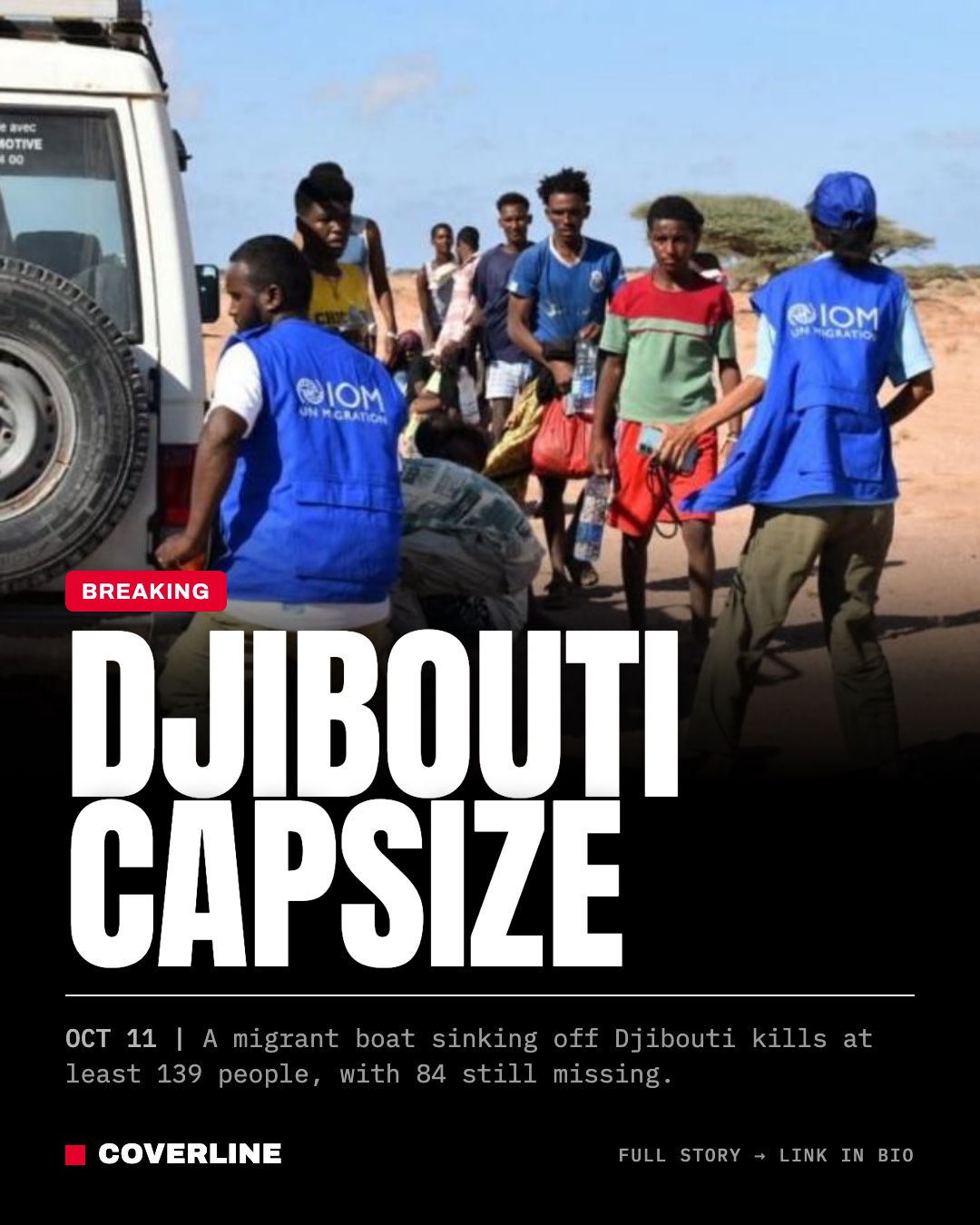
Djibouti's coast turned into a mass grave on Oct. 8. At least 139 migrants, including 15 children, died when an overcrowded boat capsized off the country's shores, the UN's International Organization for Migration said Sunday. Eighty-four people remained missing.
The vessel carried 305 people from Djibouti toward Yemen when it sank near Guhere, north of the port town of Obock, according to Fox News. More than 80 survivors made it to shore. All were Ethiopian nationals, the IOM said.
The agency revised its death toll up from 109 after crews recovered 30 more bodies, BBC News reported. IOM Djibouti mission chief Alexandre Coissac called the loss of life "devastating." The crossing, he said, was "a stark reminder" of the dangers migrants face.
Overcrowding sank the boat, Coissac told Fox News. Fellow migrants buried some victims in unmarked graves before authorities could verify the bodies. "They all have a mother, a father, and we may never learn what happened," he said.
Survivors are being treated at an IOM response center in Obock. The center is feeding and treating 64 of them, and providing psychological support, according to The Guardian. Djiboutian authorities are still searching for the missing and arranging burials for the dead.
Few migration routes rival this one for traffic and danger. The eastern route, from the Horn of Africa to the Arabian Peninsula, has logged more than 20,000 crossings from Djibouti to Yemen in the past month alone, DW reported, driven by poverty, insecurity and climate pressures. More than 900 people died or went missing on it in 2025, an 18% rise from the year before, the IOM said.
Yemen's civil war between Houthi rebels and Saudi-backed government forces is now in its second decade. That fighting has pushed more than 3,800 people to cross into Djibouti seeking safety, The Guardian reported.
Nine people died and 45 went missing in a similar capsizing in March 2026, BBC News reported.
IOM Director General Amy Pope wants governments and donors to act. "We cannot keep treating these deaths as normal," she told Fox News. "Safe and legal pathways save lives."